JOHN GLEASON
CEO | Founder
The owners I sit across from have usually spent years — sometimes decades — building something from nothing. By the time they're ready to have this conversation, they've already done the hard part. What they haven't done is this. And almost no one prepares them for how different it's going to feel.
Selling a business isn't like closing a deal. For a lot of owners, it's closer to losing someone. That's not a sentiment to manage around — it's the most accurate description of what's actually happening. I know because I've been there.
Background
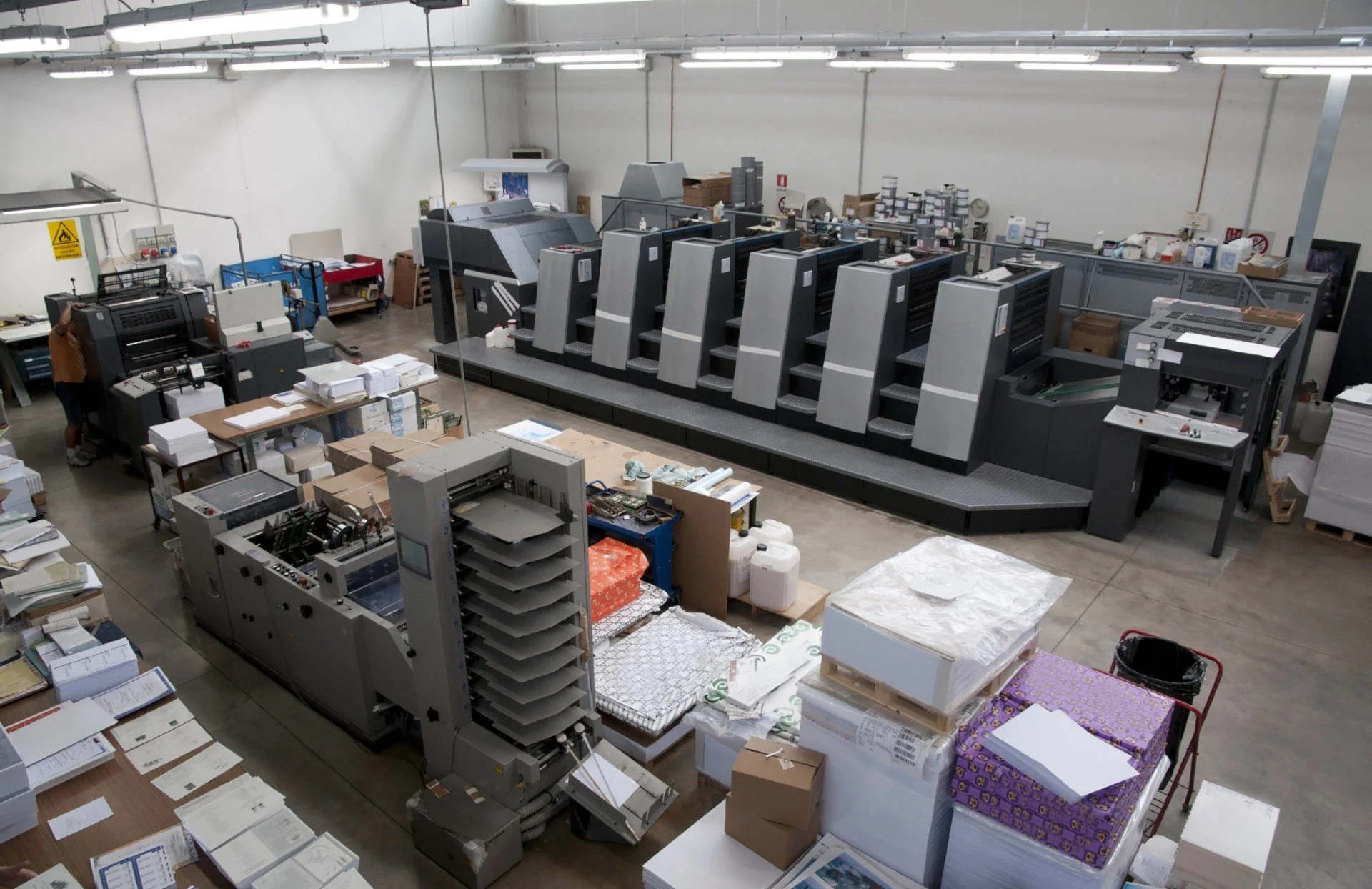
I started on the operating side. I founded Bay State Press, a commercial printing company, built it over many years, and ultimately sold it to a private equity group. It was the right decision. It was also one of the most clarifying experiences of my professional life — and not for the reasons I expected.
Looking back, I wish I'd had an investment banker working for me. I wish I'd understood the importance of having my own attorney — not a shared one. I wish I had more carefully considered what the employment agreement actually meant, not just what it said. And I wish I'd thought harder about the earnouts, because once someone else is running the operation, the assumptions behind those numbers change fast.
I held to my principles through all of it. I still do.
Why this work
My father founded and ran a commercial painting firm. He was good at what he did, and he built something real. Then he trusted one client — a single entity — to pay him for a large job. They never did. The business went under.
He wasn't careless. He was a builder who believed that doing right by people meant they'd do right by him. What he needed was someone to sit across the table and tell him that trust, by itself, isn't a protection. That due diligence isn't distrust — it's how you honor the work you've already done.
Nobody was there to tell him that. I've spent my career making sure someone is.
Experience
After Bay State Press, I spent twelve years as Executive Vice President of a national M&A transaction firm, responsible for the northeastern United States. My team and I closed many transactions across industries and deal sizes. I learned how transactions are built, where they break down, and what separates a clean exit from a complicated one.
In 2015, I founded four franchises of a national managed accounting services firm, which I continue to operate today. That business employs fourteen accountants and serves over 130 companies with their back-office accounting needs. Running it keeps me close to what business owners actually face day to day — and it's a constant reminder that the numbers in any financial package never tell the whole story.
I earned the Certified Merger & Acquisition Advisor (CM&AA) designation because the technical training matters and I take the discipline seriously.
What most advisors miss
Most of the people in this business have never sold a company of their own. They understand the mechanics. What they often don't account for is the weight of it — the emotional attachment an owner carries into a transaction and has to carry out the other side of.
Some owners describe the experience as losing a family member. I don't think that's an overstatement. And if the advisor across the table has never felt that pull, they may not know to look for it in you — or to build a process that accounts for it.
I look for it first.
How I work
The first thing I want to understand isn't the business — it's you. Why now? What's driving the timing? What do you actually want this transaction to accomplish, and how realistic is it to get there from where you stand today?
Those questions sound simple. They rarely are. Most owners come in with a number in their head and a story about why they're ready. My job is to sit with them long enough to find out whether those two things are actually connected — and if they're not, to say so before we go to market.
Before I think about the business, I want to understand where you are personally. What are the goals you're protecting, and which ones are you willing to negotiate? Then I look at the business: where it stands, what needs to change to position it well, and what a realistic outcome looks like in the current market.
Those two assessments have to be in conversation with each other. An owner who hasn't worked through the personal side will hesitate at the wrong moments, or accept terms that look right on paper and feel wrong six months later. I will consider the future through your lens — that's how I structure every engagement, and it's what makes the difference between a transaction that closes and one you look back on with confidence.
You'll have my number. Use it.
Contact
Email · M: 508.735.3820 · Connect on LinkedIn



Commercial printing…

My weekend therapy: riding my Harley Heritage

I like to learn how things get built, especially bridges. Here are a couple of my favorite spots in Boston.